
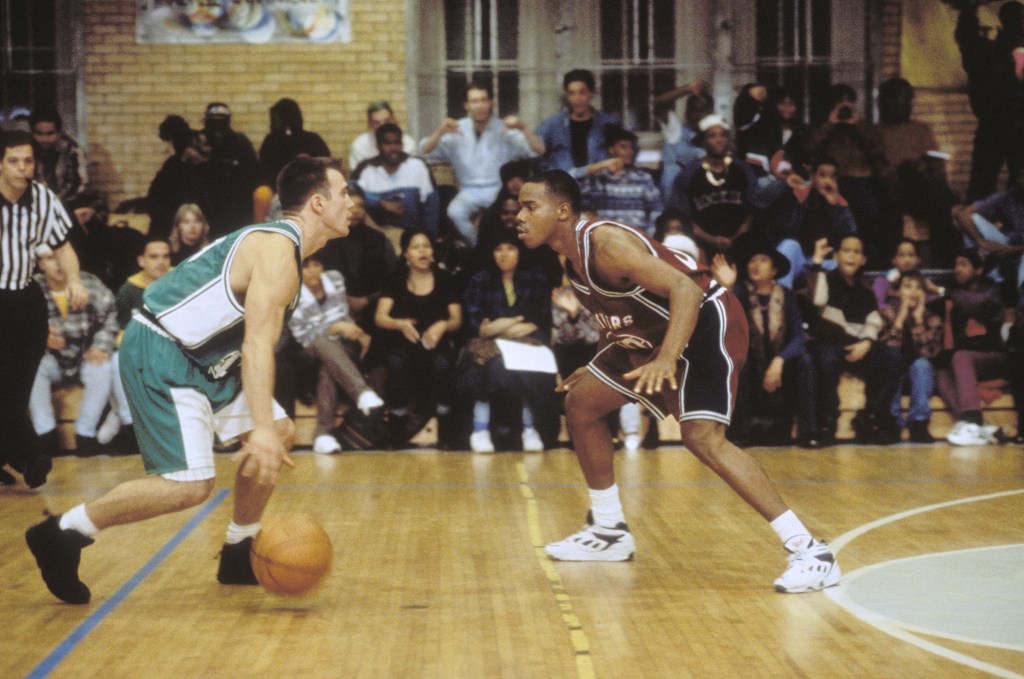
There was something different about basketball when it was local.
I’ve been thinking about that a lot lately walking through these tournament gyms. Everything feels bigger now. More connected. More visible. Kids from Texas playing on teams from another state. Rankings updating in real time. Highlights uploaded before the final buzzer even sounds. The game has become national so early that sometimes I wonder if we lost a little bit of what made basketball feel personal in the first place.
Because basketball used to belong to cities.
Not algorithms.
Not platforms.
Not exposure circuits.
Cities.
You used to hear about players before you ever saw them. Somebody’s older cousin talking about a guard from across town. Coaches whispering about a kid that nobody could stay in front of. Every city had mythology around basketball back then. Local legends felt larger than life because you couldn’t just search them on your phone. You had to go SEE them.
And that made the game feel alive.
Rivalries actually meant something because everybody knew each other. Whole neighborhoods would show up to games. Players carried city pride differently because where you were from mattered. The gyms felt personal. Loud. Emotional. Every game felt connected to something bigger than exposure.
Now basketball feels faster than ever, but somehow smaller at the same time.
Everybody sees everything now, but I’m not sure players get remembered the same way anymore. There used to be hoopers who never went viral but were kings in their city forever. Their names still echo through barbershops and old gyms today. Every city has those stories. The scorer that couldn’t miss. The point guard with handles that could boogie. The local legend that never made the league but still hands out buckets in summer league gets talked about like he averaged 40 in the NBA.
That culture mattered.
And honestly, I think local basketball gave players identity. You played differently depending on where you came from. New York guards had a certain toughness, and had the ball on a string. DMV players had rhythm and swagger. Texas guards played with athleticism and power. You could almost hear a player’s city in the way he moved.
Now everybody watches the same clips.
Trains the same way.
Dresses the same.
Studies the same moves.
The game became global, which is beautiful in a lot of ways, but part of me misses when basketball felt tied to neighborhoods instead of timelines.
I miss when tournaments felt regional.
When rivalries carried over into summers.
When players stayed together longer.
When gyms had personalities.
When everybody in the building knew exactly who the problem was before warmups even started.
Basketball just felt closer back then.
Maybe that’s why I still pay attention to the little things now. The energy in a gym. The conversations in the crowd. The way certain cities still carry themselves. Because underneath all the rankings and social media, basketball is still at its best when it feels personal.
When it feels local.
That’s the version of the game people never forget.
 Known UnKnown